


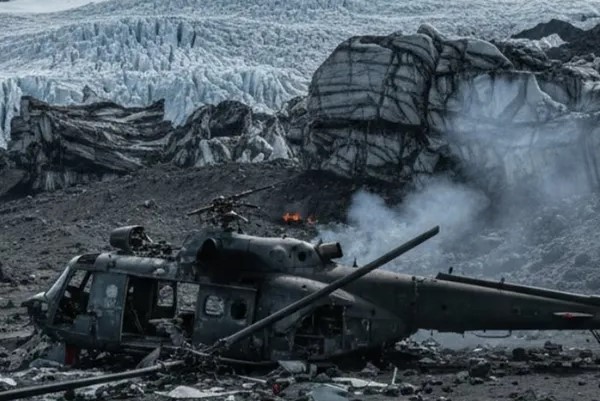
A devastating helicopter crash on Tanzania’s Mount Kilimanjaro has claimed the lives of five people, including rescuers and patients, during a medical evacuation operation.
The incident occurred on December 24, 2025, along a popular climbing route, highlighting the perilous challenges of high-altitude rescues on Africa’s highest peak.
All aboard the Kilimanjaro rescue helicopter perished in the crash.
This marks a rare aviation tragedy in Tanzania’s premier tourism region.
The incident underscores mounting safety concerns for high-altitude medevac operations.
Airbus H125 Helicopter Crash: Kilimanjaro Aviation Tragedy
The Airbus H125 helicopter, operated by Kilimanjaro Aviation (also reported as KilimedAir.
Or Savannah Aviation Limited), crashed between Barafu Camp and Kibo Summit at over 4,000 meters (13,100 feet) elevation.
With some reports specifying around 4,700 meters in Barafu Valley.
Police commander Simon Maigwa confirmed the aircraft was on a rescue mission to evacuate climbers facing health issues when it went down Wednesday evening.
Victims included two foreign nationals, identified by some sources as Czech tourists, a Tanzanian doctor, a local mountain guide, and the pilot, a Zimbabwean national.
Witnesses noted the helicopter lifted off from Barafu Camp’s helipad before plummeting minutes later, with no survivors found despite immediate response efforts by nearby guides.
Official Response and Investigation
Tanzania Civil Aviation Authority (TCAA) launched a formal probe Thursday, adhering to international safety standards to uncover the cause, which remains undetermined amid harsh weather and terrain possibilities.
Kilimanjaro regional police promised further updates, while the operator has not commented publicly.
The crash site in the high-altitude zone poses recovery challenges, but authorities recovered the bodies, confirming total fatalities of five occupants.
This follows a 2008 incident that killed four, underscoring aviation rarity on the mountain.
Mount Kilimanjaro
Each year, around 50,000 climbers tackle its slopes using popular routes like Marangu.
The “Coca-Cola route” for its relative ease, and challenging Machame, known for stunning scenery.
Barafu Camp serves as the critical pre-summit base, where climbers rest before the final midnight push to Uhuru Peak amid thin air and freezing temperatures.
Altitude sickness strikes many climbers on Kilimanjaro, often requiring urgent medevacs from high camps like Barafu.
Specialized firms like Kilimanjaro Aviation handle these swift extractions, flying patients to safer altitudes for treatment.
Such operations face extreme risks: thin air reduces lift, sudden fog impairs visibility, and rocky terrain limits safe landing zones.
The tragedy amplifies calls for enhanced safety protocols amid booming adventure tourism in East Africa.
Implications for Climbers and Tourism
Tanzania’s tourism board monitors the situation, but no route closures reported yet.
Verify operator credentials thoroughly; companies like Kilimanjaro Aviation must hold valid certifications and clean safety records to minimize risks.
Past incidents highlight acclimatization’s importance and the need for insurance covering air evacuations, ensuring comprehensive protection.
Families mourn as condolences pour in globally, with social media amplifying.
Wahalaupdate urges aspiring summiteers to prioritize safety.
Kilimanjaro’s majesty demands respect for its unforgiving heights.
