


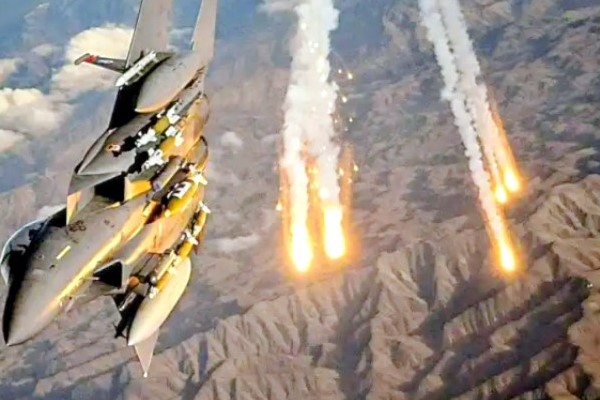
In the aftermath of U.S. airstrikes targeting Islamic State-linked militants in Sokoto State, Northern Nigeria violence has surged dramatically.
Armed groups, including bandits, Boko Haram, and Islamic State West Africa Province (ISWAP) fighters, have unleashed a wave of deadly attacks, kidnappings, and destruction across multiple states.
This Nigeria security crisis has claimed at least 47 lives, led to 35 abductions, and injured over a dozen others between December 25, 2025, and January 2, 2026, according to media reports and local tallies.
The strikes, part of a broader U.S. counterterrorism effort, appear to have displaced militants, prompting retaliatory bandit kidnappings Nigeria and intensified assaults on vulnerable communities.
States like Adamawa, Zamfara, Kwara, Plateau, Nasarawa, Yobe, Kano, and Kebbi have borne the brunt, highlighting the fragility of security in Nigeria’s volatile north.
Timeline of Deadly Attacks and Kidnappings
The violence unfolded rapidly, with coordinated strikes exposing gaps in local defenses.
In Kogi State, suspected bandits raided the Omi-Ara community in Yagba West Local Government Area (LGA), abducting several residents.
In the same area, gunmen stormed Odo-Ere, kidnapping at least four people and instilling widespread fear.
Kwara State saw multiple incursions. On December 27, over eight individuals were taken from Adanla community in Ifelodun LGA during a nighttime raid.
Days earlier, in Ile-Ire district, gunmen abducted Oba S.Y. Olaonipekun, the traditional ruler of Aafin community, along with his NYSC-serving son.
The attack on Adanla in Igbaja forced villagers from Aafin and surrounding areas to flee to nearby towns and farms, underscoring the human cost of this Nigeria security crisis.
In Kebbi State’s Shanga LGA, tragedy struck on December 29 as gunmen launched synchronized assaults on Kaiwa, Gelawu, and Gebbe villages.
At least eight people were killed, with families mourning amid reports of torched homes and stolen livestock.
Zamfara State faced similar horrors: an assault on Sabon-Layi village in Gusau LGA resulted in 16 women abducted, two deaths, and multiple injuries, fueling demands for stronger military presence.
Plateau State reported the killing of seven farmers in Bum community, Jos South LGA, as attackers targeted rural workers.
Nasarawa State was hit hard on December 31, when gunmen attacked Kunza community in Ashigye village, Lafia LGA, killing three and injuring nine.
Earlier, on December 26, bandits kidnapped five travelers along Ogbe-Egbe Road, injuring another in a brazen roadside ambush.
Even as some hostages were rescued, such as women and children en route from Wanke to Gusau on December 30, the pattern of bandit kidnappings Nigeria persisted, eroding trust in security forces.
Boko Haram Massacre in Adamawa: A Grim Confirmation
One of the most brutal episodes occurred in Adamawa State, near the notorious Sambisa Forest.
Usman Inuwa, Chairman of Hong LGA, detailed a Boko Haram massacre in Adamawa that claimed 14 lives in Mubang and Zar villages.
“Around 9pm, Boko Haram invaded.
They killed 14 people, shot two others, and burnt dozens of houses with foodstuffs,” Inuwa recounted, painting a picture of ruthless destruction.
He highlighted the challenges of vast, ungoverned spaces around the forest, which leave remote villages exposed.
“These areas’ vast expanse overwhelms our limited resources,” Inuwa lamented, calling for urgent reinforcements.
This attack exemplifies how Boko Haram attacks exploit terrain to evade detection, prolonging the insurgency.
Clashes in Kano and ISWAP’s Bold Claim
Kano State witnessed fierce confrontations on Thursday night, as bandits on about 50 motorcycles raided Yankwada, Babanduhu, and other villages in Shanono LGA.
Gunmen killed one person and rustled livestock during a prolonged gun battle with troops that spilled into Friday morning.
Alhaji Yahya Bagobiri, Chairman of the Shanono/Bagwai Community Security Forum, linked the raid to retaliation after nine forum members died in clashes with the military the previous week.
However, Capt. Babatunde Zubairu, Assistant Director of Army Public Relations for 3 Brigade, pushed back.
“All details are true except they didn’t kill anyone and there was no rustling of cows,” he clarified via WhatsApp.
Meanwhile, ISWAP escalated tensions by claiming responsibility for mortar fire on a Nigerian military camp in Goniri, Yobe State.
Details on damage remain scarce, but the incident signals ISWAP militants probing military vulnerabilities post-airstrikes.
Militant Displacement Fuels Regional Spillover
“Terrorists are infiltrating Niger and Kaduna through Katsina and Zamfara borders.
Some from Kebbi are heading toward Kwara and the South-West,” the source revealed.
This displacement has heightened rural anxieties, with local vigilante groups seizing rifles and motorcycles from members violating peace pacts.
Increased Nigerian Air Force patrols over Birnin-Gwari in Niger State and Kebbi borders offer some reassurance.
No Boko Haram or ISWAP attacks have hit Kaduna since the strikes, suggesting preventive measures are working.
Yet, the overall Northern Nigeria violence underscores a need for coordinated regional strategies.
Broader Implications for Nigeria’s Security Landscape
This surge in violence arrives amid Nigeria’s ongoing battle against jihadist groups and criminal bandits, who often overlap in tactics and territories.
Analysts note that such operations, while tactically successful, risk short-term escalations without ground support.
Communities are mobilizing self-defense, but this raises concerns over vigilantism.
Economic fallout is stark: displaced farmers abandon fields, livestock theft cripples herders, and kidnappings deter investment.
Government responses, including troop deployments and aerial surveillance, must evolve to address root causes like poverty and governance gaps.
As Nigeria grapples with these threats, international partnerships remain crucial.
The US airstrikes actions highlight global stakes in West African stability.
But sustained peace demands local empowerment, intelligence sharing, and development initiatives.
In the coming weeks, monitoring Boko Haram attacks, ISWAP militants, and bandit kidnappings Nigeria will be vital. Communities urge swift action to prevent further bloodshed.

1 Comment
Pingback: US Airstrikes: Onoja Reports Arrests, Terrorists, Hostages - wahalaupdate