


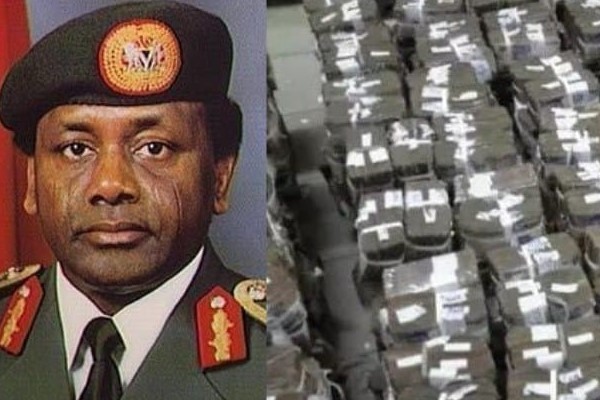
Jersey Government quietly returned over £7 million ($9.5M) in looted Nigerian funds via court-backed asset forfeiture, escaping widespread domestic notice.
This repatriation underscores global anti-corruption wins, tracing illicit flows from Nigerian officials to offshore havens despite minimal local media buzz.
Jersey-EFCC Probe Returns £7M Looted Funds to Nigeria
The process involved meticulous investigations, legal battles.
And cooperation between Jersey authorities and Nigeria’s EFCC, ensuring recovered assets bolster public coffers.
Funds target development projects, signaling quiet victories against graft amid Nigeria’s ongoing fight for transparency and accountability in governance.
Wahalaupdate correspondence confirms that the funds were held in a Jersey bank account and were classified as “tainted property” after the Royal Court of Jersey ruled in January 2024 that the money was more likely than not derived from a corrupt scheme.
The scheme involved third party contractors diverting public funds for the benefit of senior Nigerian officials and their associates.
Jersey-Nigeria MoU Seals £7M Loot Repatriation
According to documents reviewed by Wahalaupdate and corroborated through official channels.
Jersey’s Temple, Nigerian authorities sign December MoU sealing repatriation.
The agreement outlines how the recovered funds are to be transferred and applied.
Building on earlier Jersey , Nigeria arrangements that have already seen over $300 million returned to Nigeria in past years.
Fagbemi: Recovered £7M Assets Follow MoU Terms Strictly
Fagbemi vows strict MoU use for recovered assets.
Government briefings, Sources designate funds for Abuja-highway completion.
A route described by officials as critical to national mobility, trade, and economic integration.
Jersey touts case as civil forfeiture laws’ success.
Mark Temple KC noted that the recovery reinforces the message that offshore jurisdictions will not provide safe haven for illicitly acquired wealth.
However, within Nigeria, the development has passed with minimal public disclosure.
No Public Details on £7M Funds’ Project Timelines, Spending
For a country with a long history of recovered asset controversies.
The muted response has raised concerns among governance observers and civil society actors.
Asset recovery, experts argue, is only meaningful when matched with transparency and accountability.
Repatriated Funds: From Corruption Loss to Public Trust
Without consistent public reporting and oversight, recovered loots risk fading into budgetary obscurity.
As international partners continue to identify, seize, and return illicit Nigerian assets, the responsibility now shifts inward.
Nigerians must see, track, verify recovered funds’ true use.
