


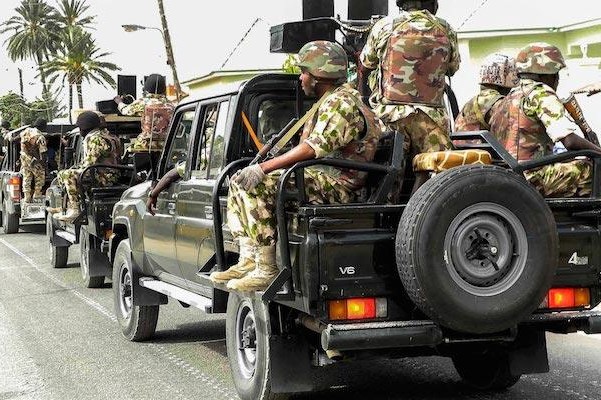
In a significant development underscoring the Nigerian Armed Forces’ commitment to internal discipline, the Defence Headquarters (DHQ) has announced the conclusion of investigations into 16 arrested military officers as they face probe.
These personnel face probe allegations of serious indiscipline, including plotting to overthrow the government.
The officers will now proceed to trial before military judicial panels, signaling a firm stance against actions that threaten national stability.
Maj.-Gen. Samaila Uba, the Director of Defence Information, revealed this in an official statement released on Monday in Abuja.
The announcement follows the DHQ’s initial disclosure in October 2025 about the arrests, which stemmed from breaches of service regulations and acts of indiscipline.
Background to the Arrests
The saga began in October 2025 when the DHQ publicly confirmed the apprehension of 16 officers across various ranks.
This probe move came amid heightened national vigilance over security sector loyalty, especially in a country with a history of military interventions in politics.
Nigeria’s democratic journey since 1999 faces barracks unrest rumors, making arrests focal points for scrutiny.
Uba’s statement emphasized that the investigations adhered strictly to established military procedures and extant regulations.
A thorough probe examined the circumstances of the officers’ conduct, sifting through evidence to determine culpability.
The investigation process carefully examined all circumstances surrounding affected personnel, statement noted, highlighting methodical approach.
This internal review process is not unprecedented.
The Nigerian military operates under the Armed Forces Act and related service codes, which mandate swift action against disloyalty.
Past cases, including 2017 arrests and 2021 probes, demonstrate military self-policing mechanisms effectively.
Core Allegations: Treasonous Plotting Against the State
At the heart of the matter lie grave accusations of plotting to overthrow the government.
Uba described these as “inconsistent with the ethics, values, and professional standards required of members of the Armed Forces of Nigeria (AFN).”
Such claims evoke memories of Nigeria’s chequered military past, including the 1966 coups.
The 1983 dimension led by Major General Muhammadu Buhari, and the 1993 annulment crisis under General Sani Abacha.
The officers allegedly engaged in activities that breached core military tenets: loyalty to the Commander-in-Chief, respect for constitutional order, and operational cohesion.
Sources within defence circles, speaking anonymously, suggest the plot involved mid-level officers discussing subversive strategies.
This was possibly fueled by frustrations over welfare, postings, or perceived governance failures.
While specifics remain classified to protect ongoing processes, the DHQ’s disclosure frames the issue as a direct assault on democratic norms.
In Nigeria’s context, Tinubu’s administration faces reforms, insecurity, banditry, any military disloyalty heightens public anxiety.
Civil society groups like the Socio-Economic Rights and Accountability Project (SERAP) have long advocated for transparency in such cases to prevent abuse of power.
Disciplinary Measures and Judicial Process Ahead
Culpable officers face arraignment before military judicial panels, comprising senior officers and legal experts under oversight.
These panels operate like courts-martial, with powers to impose sanctions ranging from dismissal to imprisonment.
Uba clarified actions are purely disciplinary, internal mechanisms preserving discipline, cohesion, and operational effectiveness.
No political motives underpin trials; they reinforce military’s apolitical stance, cornerstone rebuilt since civilian rule.
The DHQ assured adherence to due process, including rights to legal representation, witness examination, and appeals.
“Due process and fairness will be strictly observed throughout the trial process,” Uba affirmed.
This commitment aligns with international standards, such as those in the African Charter on Human and Peoples’ Rights, which Nigeria ratified.
The statement further detailed: “The findings have identified a number of the officers with allegations of plotting to overthrow the government.”
Not all 16 face the same charges face probe; some may encounter lesser infractions like unauthorized associations or insubordination, but the coup plot dominates the narrative.
Implications for Military Cohesion and National Security
This episode tests the Nigerian military’s resilience amid multifaceted threats.
With 230,000 personnel, AFN is Africa’s largest army, pivotal against ISWAP, Boko Haram, bandits, separatists.
Internal discord could erode morale, divert resources, and embolden adversaries.
Analysts point to systemic stressors: delayed salaries, poor housing, and operational overstretch.
A 2024 report by theCLEEN Foundation highlighted how welfare deficits fuel discontent, echoing findings from the 2021 Technical Committee on Defence Reforms.
The trials could serve as a deterrent, but experts urge complementary measures like improved pensions and psychological support.
Public reaction has been mixed. Social media platforms buzz with debates, some hailing the DHQ’s decisiveness, others questioning selective justice.
Opposition figures, including those from the Labour Party, have called for civilian oversight, arguing that military trials lack transparency.
The DHQ’s proactive communication, however, contrasts with past opacity, fostering trust.
Reaffirmation of Loyalty to Constitutional Order
Uba reiterated the AFN’s unwavering professionalism, loyalty, and respect for constitutional authority.
Armed Forces inform public investigations concluded, report forwarded, underscoring chain-of-command integrity.
This pledge resonates in Nigeria, healing from #EndSARS and 2023 election tensions scrutinizing military neutrality.
Service chiefs, led by General Musa, vowed allegiance to President Tinubu, Nigeria’s Commander-in-Chief.
Yet, rooting out coup culture remains paramount, Nigeria’s last major attempt, the 2017 “July 6 plot,” led to executions, reinforcing zero tolerance.
Public Assurance and Path Forward
The DHQ’s transparency aims to quell speculation.
Civilian stakeholders, including the National Assembly’s Defence Committees, may seek briefings.
Transparency International’s 2025 Corruption Index ranked Nigeria 145th globally, citing security opacity, prompting hybrid oversight calls.
As trials unfold, expect heightened media interest.
Outcomes could reshape careers, deter future plots, and bolster democratic consolidation.
In summary, the DHQ’s actions exemplify institutional self-correction, vital for a military that safeguards Nigeria’s unity.
The public watches closely, hopeful for justice that upholds both discipline and rights.
