


Category: Security Analysis & Investigative Commentary
Written from a Conflict Analysis & Sensitivity Perspective
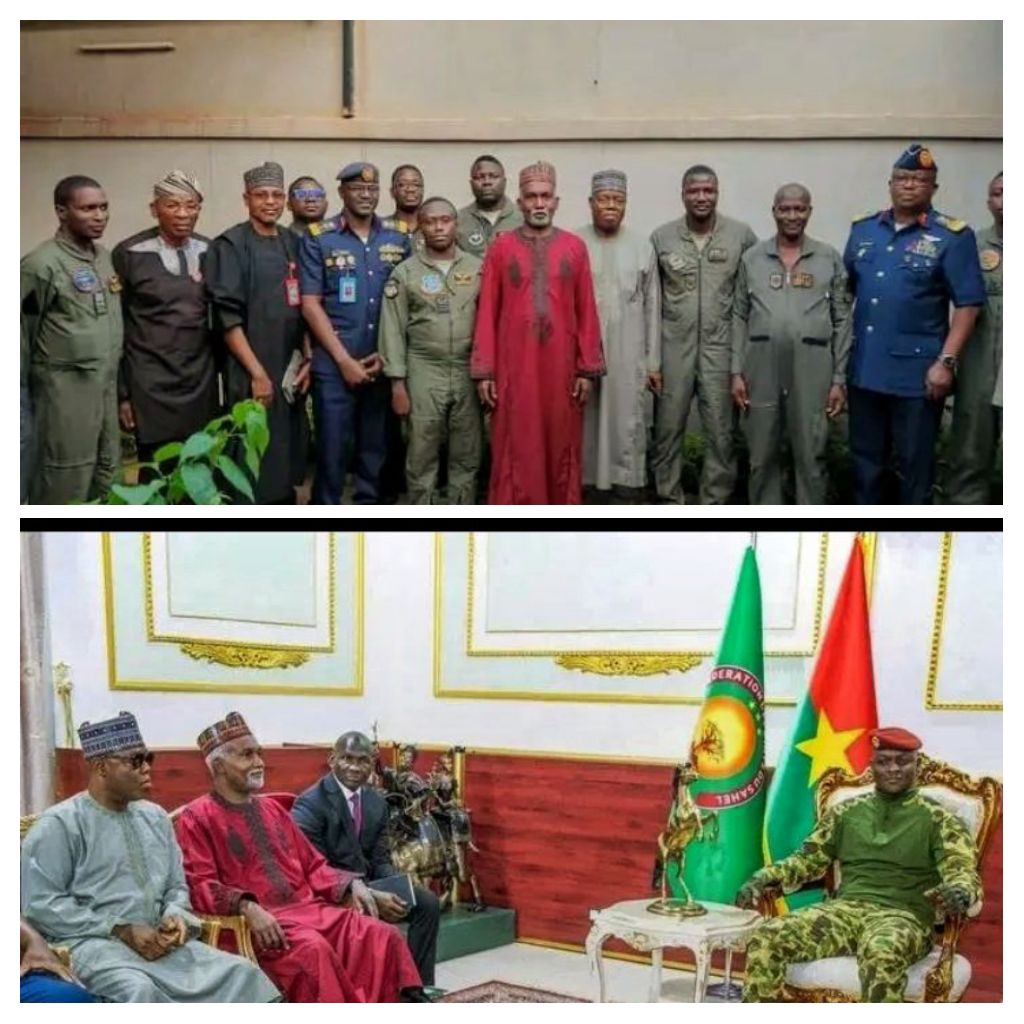
Yesterday’s high level engagement between Nigeria’s Foreign Minister and the President of Burkina Faso marks a late but necessary pivot from confrontation to containment.
The meeting, convened to plead for the release of the 11 detained Nigerian servicemen and to activate dispute-resolution channels, underscores a hard truth: diplomacy works best when it is timely, quiet, and grounded in respect for sovereignty.
What changed:
Nigeria moved from reactive statements to face-to-face statecraft.
The appeal focused on de escalation, due process, and restoring bilateral confidence.
Burkina Faso, having asserted control of its airspace and legal process, signaled openness to resolution pathways conditional on facts, not pressure.
This is how crises cool.
What Nigeria should have done earlier (and didn’t):
1. Immediate Quiet Diplomacy: Early dispatch of a senior envoy within hours not days of the incident.
2. Consular & Legal Track First: Secure access, legal representation, and procedural assurances before public messaging.
3. Unified Narrative: Brief the National Assembly of Nigeria promptly to align oversight and avoid credibility gaps.
4. Regional Courtesy: Notify neighbors pre-emptively to prevent misinterpretation and escalation.
The delay cost leverage. In security crises, time is oxygen lose it and the fire spreads.
Lessons from the Sahel’s New Posture
The Alliance of Sahel States (AES) is setting a new tone across West Africa assertive sovereignty, rapid response, and disciplined messaging.
Whether one agrees with every policy choice or not, three lessons are clear:
Sovereignty Is Operational, Not Rhetorical: Control of airspace, borders, and intelligence is enforced, not implied.
Unity Multiplies Power: Collective alignment deters pressure and accelerates outcomes.
Clarity Beats Noise: Firm actions paired with concise communication reduce ambiguity and force respect.
Across West Africa, this wave is spreading. States are recalibrating, less deference, more doctrine. Nigeria must adapt without losing its diplomatic soul
The Strategic Reset Nigeria Needs
1. Doctrine Before Deployment: No cross-border or intelligence-adjacent activity without clear authorization, legislative awareness, and legal cover.
2. Diplomacy by Design: Institutionalize rapid-response diplomacy units for security incidents.
3. Regional Partnership First: Treat AES neighbors as counter-terror allies, not pressure points.
4. Foreign Policy Hygiene: Cooperation with external powers must be transparent, interest aligned, and never substitutive.
Nigeria cannot be anyone’s proxy, especially France.
5. Credible Oversight: Restore confidence through timely briefings and accountability.
Bottom line: Nigeria’s late diplomatic turn was necessary and effective.
The task now is to ensure “late” never becomes a habit. Leadership is foresight practiced early.
