


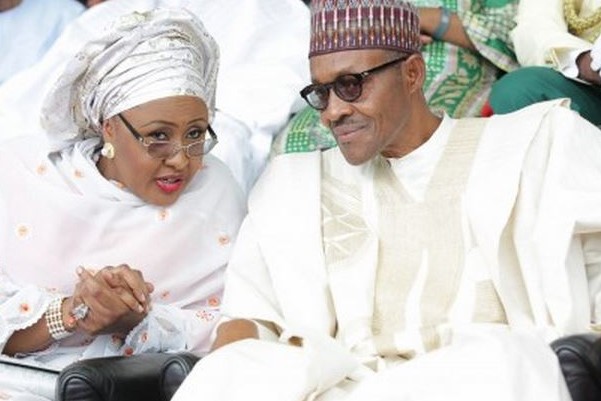
Former First Lady Aisha Buhari disclosed explosive details about the origins of her late husband Muhammadu Buhari’s 2017 health emergency, attributing it to vicious Aso Rock gossip that convinced the former President she intended to harm him.
In the newly launched 600-page biography From Soldier to Statesman.
The Legacy of Muhammadu Buhari by Charles Omole, unveiled at the State House, Aisha recounted how unfounded rumors led Buhari to lock his room.
Disrupt his meticulously managed nutrition routine, and ultimately require 154 days of medical leave in the United Kingdom.
This revelation, emerging from intimate presidential quarters, paints a picture of palace intrigue where personal care clashed with political paranoia.
Osinbajo Acts: Buhari Absence Fuels Conspiracy Theories
Forcing Vice President Yemi Osinbajo to assume acting duties amid nationwide speculation and conspiracy theories.
Aisha’s account demystifies the episode, rejecting notions of poisoning or exotic ailments in favor of a simple breakdown in daily regimen.
While highlighting her pivotal role in his recovery through persistent supplementation.
The biography’s launch, attended by political elites and Buhari family members, reignites debates on leadership vulnerability, healthcare inadequacies.
And the toxic undercurrents of power in Nigeria’s corridors, where whispers can precipitate national crises.
Aisha Buhari detailed her long-standing oversight of Buhari’s meals and supplements, a practice honed in Kaduna before their ascent to Aso Villa, tailored for a “slender man with a long history of malnutrition symptoms.”
She emphasized that elderly bodies demand “gentle, consistent support,” involving precise timings for vitamin powders, oils, proteins, and cereal adjustments to sustain his strength despite no chronic illness.
Upon entering the Presidency, Aisha Buhari convened key staff, including physician Suhayb Rafindadi, CSO Bashir Abubakar.
The housekeeper, and SSS Director General, to instill this protocol, ensuring daily cups and bowls adhered strictly to the schedule.
However, the presidential machinery’s intrusion frayed this discipline, exacerbated by emerging gossip that she plotted to kill him.
Buhari, initially swayed, began locking his room, skipping lunches for a year, delaying meals.
And halting supplements entirely, which Aisha identified as the true genesis of his deterioration.
This mismanagement snowballed into severe health decline, culminating in two extended UK trips totaling 154 days.
During which he received blood transfusions and admitted to being “never so ill,” ceding power to Osinbajo and fueling public rumors of coups and fatalities.
Palace Intrigue Undermines Presidential Wellness
The biography vividly captures the moment gossip metastasized, “then came the gossip and the fearmongering.
They said I wanted to kill him,” Aisha is quoted, noting Buhari believed it briefly, altering habits catastrophically.
Meals missed, routines shattered, hallmarks of a leader isolated by suspicion within his own home.
Omole narrates how Aisha’s nutrition plan, once a bulwark against frailty, became collateral damage to intrigue, transforming private vigilance into public peril.
Upon UK arrival, doctors prescribed intensified supplements, but Buhari’s fright delayed compliance until Aisha intervened covertly, mixing them into his juice and oats.
The reversal was dramatic: within three days, he discarded his walking stick; after a week.
He hosted relatives, crediting her persistence as both “genesis and reversal” of the sickness.
Aso Rock Whispers: Executive Health Fragility Exposed
This episode exposes the fragility of executive health amid Aso Rock’s echo chambers, where aides’ whispers wield power rivaling policy.
And personal aides navigate minefields of mistrust to safeguard the Commander-in-Chief.
Critics have long lambasted Buhari’s UK dependency as emblematic of Nigeria’s healthcare collapse, with billions squandered annually on medical tourism rather than domestic upgrades.
Omole offers a nuanced view, acknowledging a septuagenarian’s need for specialized interventions unavailable locally after decades of underinvestment.
Yet underscoring systemic failures that force leaders abroad.
Aisha’s testimony reframes the narrative from conspiracy, poison plots, PDP machinations, to mundane neglect, challenging sensationalism that dominated 2017 headlines.
Her staff meeting, meant to institutionalize care, instead highlighted bureaucracy’s dehumanizing grind, where protocols bend to paranoia.
Buhari’s spartan lifestyle, once lauded, masked vulnerabilities amplified by isolation.
Prompting reflections on how future administrations might integrate family oversight into official wellness frameworks to avert repeats.
Legacy of Recovery and National Lessons
Aisha’s hands-on recovery in London exemplifies resilience, slipping hospital regimens into familiar foods to rebuild trust and vitality.
This maternal intervention restored Buhari swiftly, enabling his return to duties and quelling takeover fears, though scars lingered in public perception.
Omole notes how the crisis sparked “rumours, speculation, and even conspiracy theories,” eroding governance confidence and amplifying opposition critiques.
The biography positions this as Buhari’s human facet, contrasting his statesman image with domestic frailties, where a wife’s vigilance bridged clinical gaps.
Broader implications ripple through Nigeria’s political health discourse.
Presidents like Umaru Yar’Adua suffered similar secrecy veils, paralyzing statecraft.
Buhari’s transparency post-recovery set precedents, albeit imperfect.
Aisha’s revelations critique aide cultures fostering division, urging vetting for loyalty beyond competence.
Economically, medical evacuations drain forex, estimated at $1 billion yearly, diverting from facilities like National Hospital upgrades.
Politically, it humanizes Buhari, whose 2015-2023 tenure grappled with security, economy.
And infrastructure amid personal trials, reinforcing narratives of integrity over infirmity.
Implications for Leadership and Healthcare Reform
Buhari’s reliance on her nutrition underscores spousal roles in executive sustainability, potentially inspiring protocols for first families.
Omole advocates compassionate lenses for aging leaders, balancing specialized needs with national equity pushes.
Critics decry elite exemptions from public systems, fueling distrust; reformers call for mandatory disclosures and homegrown expertise via medical scholarships.
Tinubu’s administration, inheriting Buhari’s legacy, faces parallels in transparency demands amid economic strains.
Aisha’s story immortalizes a pivotal reversal, from locked doors to renewed vigor, affirming routine’s power over rumor.
The biography, beyond hagiography, dissects vulnerabilities, equipping successors with lessons: prioritize wellness architectures resilient to intrigue.
As attendees departed the launch, reflections lingered on how one routine’s rupture nearly toppled a presidency, etching Aisha’s guardianship into Nigeria’s political lore.
Enduring Narrative of Care Amid Chaos
Ultimately, From Soldier to Statesman elevates Aisha from peripheral figure to crisis architect, her interventions eclipsing medical teams.
Buhari’s arc, from frightened invalid to recovered helmsman, embodies triumph over adversity, dispelling myths while exposing truths.
This saga compels introspection: fortify healthcare, tame palace whispers, humanize leaders.
Nigeria’s democracy endures such tests, emerging wiser, with Aisha’s voice ensuring history records the unsung battles sustaining its custodians.
