


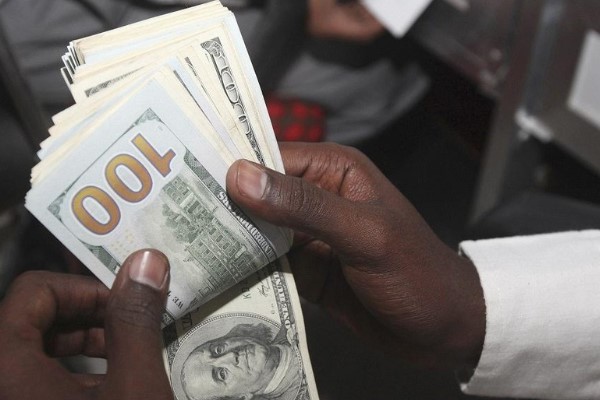
Across the Nigerian diaspora, relatives hesitate sometimes stiffly, sometimes bitterly, when asked for a mere $200 to $500 to sustain family back home. Not because empathy has died.
Once upon a time, sending money home was an act of pride. It was a duty, It was bloodline and continuity while fear sits where love ones stood today.
Not because roots have been forgotten.
But because the weak naira has turned goodwill into anxiety, and every dollar sent now feels like pouring water into a basket.
This fear is unnecessary, but it is not accidental and that is the real issue Nigeria must confront.
The Weak Naira: When Support Becomes Suspicion
Let’s tell it as it is without romance, without spin.
When a Nigerian Nigerian diaspora sends $300, the calculation begins even before the “send” button is pressed.
Exchange rate volatility, Bank spreads and hidden margins transfer and conversion fees.
Value erosion before the money even lands, what should be relief becomes a question mark.
At home, the recipient faces another reality:
Food prices that rise weekly, transport costs that double overnight, school fees detached from income and rent that ignores wages
The same $300 that once sustained a household for a month now struggles to survive two weeks.
This disconnect breeds quiet damage
Senders feel drained, while recipients feel abandoned.
Families fracture under pressure as the naira did not just lose value but also lost trust.
Remittances: Nigeria’s Silent Mega Budget
Here is the irony the Nigerian state must confront without excuses.
Nigerian diaspora remittances to Nigeria run into tens of billions of dollars every year.
In raw terms, these inflows rival or exceed the national budgets of several African countries.
Pause on that, no borrowing.
No oil dependency or global lobbying. Yet, Families struggle, poverty deepens as prices soar.
This money could stabilize households, support small businesses and soften economic shocks.
Instead, it is quietly absorbed into the system, while the CBN sthrengthens liquidity.
FX buffers and policy optics, and the everyday Nigerian receives only what remains after conversion losses.
The government may not tax remittances directly but value is extracted through structure, not law.
That is the truth rarely written down.
The CBN Reality: Portfolio Wins, People’s Losses
Let’s be blunt and professional here.
Yes:
Foreign exchange inflows support reserves, FX availability improves balance sheets and monetary figures look stronger on paper.
But on the ground, xxchange rates punish households while Inflation eats the naira alive.
Purchasing power collapses and what remains after conversion is often change, not support.
This is not reform.
It is accounting success masking social failure.
Poverty: The Quiet National Indictment
Nigeria’s poverty is no longer a statistic but a daily humiliation.
Families that once stood tall now queue.
Parents now depend on children abroad, graduates survive on remittances.
Dignity erodes transfer by transfer and when help is delayed or reduced, shame fills the gap.
The same system that celebrates inflows silently shames its citizens for needing them.
That is not governance.
That is neglect dressed as policy.
A few hundred dollars can still save lives as education, healthcare, and shelter still depend on it.
The fear is understandable because the system wastes value.
The exchange rate mocks effort.
There is no framework that turns remittances into lasting relief.
People are not stingy
Inefficiency exhausts them.
Patriots, why weaken the naira?
Here lies the question Nigeria must ponder honestly.
Patriots, why do you suffocate local production?
Why does consumption rely on imports and discipline absent in fiscal conduct?
Why does policy reward inflows but ignore outcomes?
Currencies gain value when countries value themselves.
The Way Forward: Restore Value, Not Rhetoric
Leadership must rise or history will remember silence.
Nigeria must:
Treat remittances as household lifelines, not just FX statistics.
Stabilize exchange mechanisms that protect recipients.
Reduce spreads, leakages, and value destruction.
Align patriotism with policy, not slogans.
Families should not beg.
Nigerian Diaspora should not feel punished for helping.
Citizens should not live in shame for surviving.
Conclusion:
A Question That Demands an Answer
Money is not just currency.
It is confidence.
Until Nigeria restores value to the naira, fear will continue to travel faster than money. And when fear wins, families lose.
This is not about charity.
It’s about economic dignity
And dignity, once lost, is far more expensive than any dollar ever sent home.
