


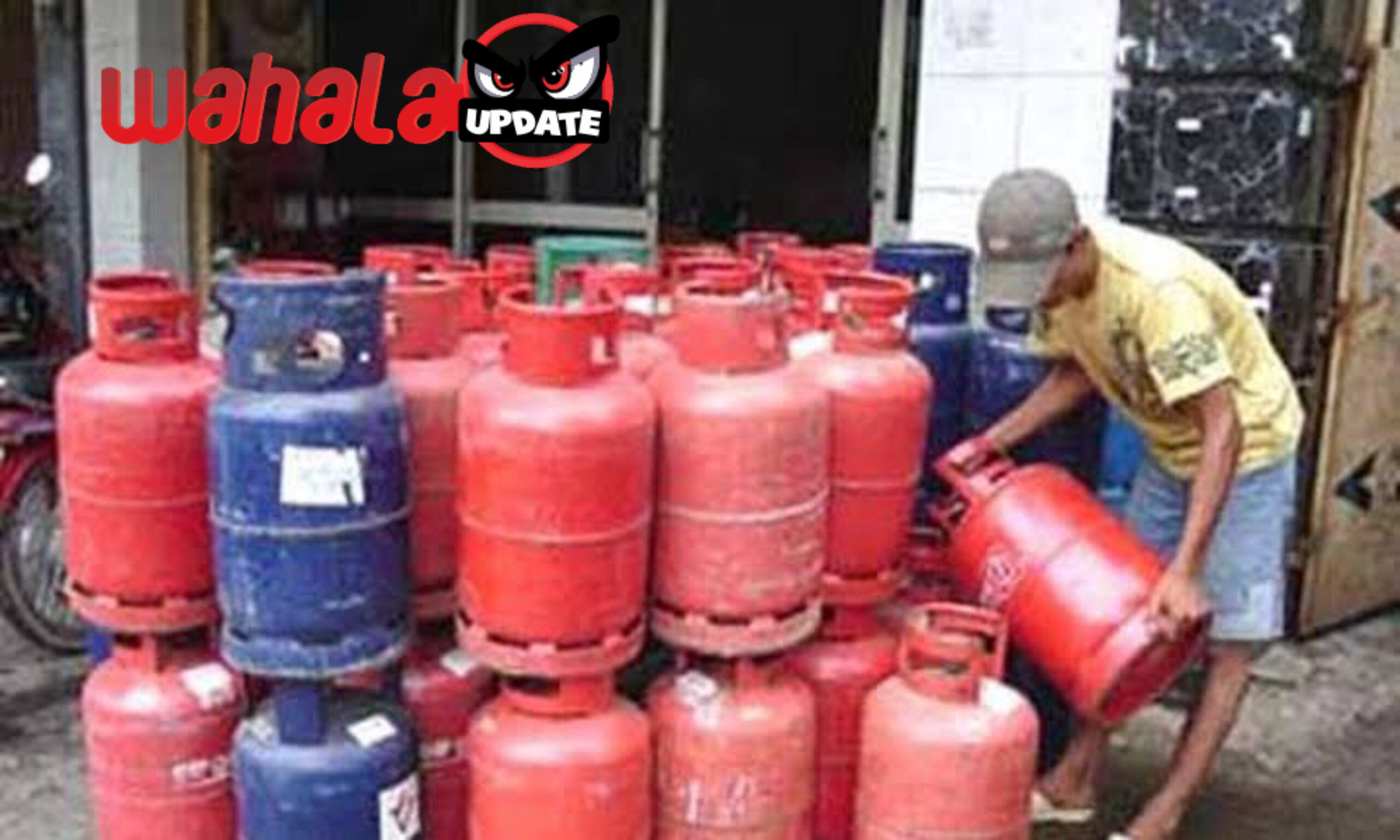
The National Bureau of Statistics (NBS) has reported a steady increase in the prices of cooking gas and kerosene across Nigeria in June 2025.
According to their “Cooking Gas Price Watch” report, released Thursday in Abuja, the average cost of refilling a 5kg cooking gas cylinder rose by 1.92 percent to ₦8,323.95 from ₦8,167.43 in May.
This represents a sharp year-on-year increase of 19.49 percent compared to ₦6,966.03 in June 2024.
Regional Price Disparities Highlight Inequities
The price surge is uneven across states. Delta State recorded the highest average price for a 5kg cylinder at ₦9,243.38, while Oyo State had the lowest at ₦7,100.
Regionally, the South-South zone experienced the most expensive cooking gas prices averaging ₦8,871.63, whereas the South-West zone enjoyed the lowest at ₦7,960.42.
The data exposes deep structural disparities in energy costs, their impact, and affordability nationwide.
Larger Cylinders See Similar Price Inflation
For larger quantities, prices also climbed.
The average price of a 12.5kg cooking gas cylinder increased by 1.46 percent to ₦21,010.56 in June, up from ₦20,709.11 in May.
Year-on-year, this soared by 41 percent from ₦14,855.11 in June 2024.
Kaduna recorded the highest price for the 12.5kg cylinder at ₦2,681.58 per kilogram, while Abia had the lowest at ₦1,659.35.
The massive year-long spike paints a grim picture of escalating energy costs for Nigerian consumers.
Kerosene Prices Add to Household Burdens
Similarly, kerosene prices climbed sharply.
The average price per gallon rose by 2.38 percent to ₦8,684.15 in June from ₦8,482.22 in May.
Compared to June 2024’s ₦5,698.68, this increase totals a staggering 52.39 percent.
Edo State reported the highest kerosene price at ₦10,321.63 per gallon, while Abia was the cheapest at ₦6,737.40.
Such soaring costs intensify financial pressures on Nigerian households that rely on kerosene for daily energy needs.
South-South Zone Bears Brunt of Inflation
The NBS report consistently found the South-South geopolitical zone paying the highest prices for all petroleum products, with the South-West zone paying the least.
This trend highlights regional economic imbalances and the disproportionate impact of fuel inflation on already vulnerable populations.
What’s Driving the Price Hikes?
Experts and consumers blame several factors for the sustained rise in cooking gas and kerosene prices:
- Inadequate domestic gas production infrastructure and investment have failed to meet Nigeria’s growing demand for cleaner fuels.
- Currency fluctuations increase the cost of imported LPG and kerosene.
- Supply chain inefficiencies and monopolistic practices at distribution points drive up retail prices.
Rising global energy prices impose added pressure on local markets.
Despite government initiatives like the Domestic Liquefied Petroleum Gas (DLPG) scheme aiming to promote cooking gas as a safer alternative to firewood and charcoal, affordability remains a critical barrier.
Impact on Nigerian Households
The steady inflation in cooking gas and kerosene prices exacts a serious toll on Nigerian families.
Low-income households are forced to cut back on these cleaner energy sources, often reverting to hazardous and environmentally damaging fuel alternatives.
This change not only worsens health risks but also undermines progress toward cleaner energy adoption.
Many Nigerians find their monthly budgets squeezed by skyrocketing fuel costs, further impoverishing the marginalized and heightening social discontent.
The government’s failure to stabilize prices or increase transparency about fuel costs fuels public frustration.
Calls for Accountability and Reform
The continued surge in cooking gas and kerosene prices amid Nigeria’s ongoing energy challenges demands urgent government intervention.
Citizens and analysts alike call for:
- Increased transparency in fuel pricing and supply chains.
- Greater investment in domestic LPG production and distribution infrastructure.
- Policies to stabilize the exchange rate and reduce import costs.
- Stronger regulatory oversight to curb exploitative pricing by middlemen and depot owners.
Without such measures, the energy price crisis will likely deepen, widening inequalities and undermining economic recovery.
Who Benefits?
This persistent price inflation stokes controversy over government priorities and accountability.
Nigerians question why fuel prices escalate despite abundant natural resources and repeated assurances from officials.
Disproportionately hurting the poor while enriching distributors and political cronies.
The widening gap between policy and reality fuels skepticism about the genuine commitment of authorities to address everyday economic hardships.
This article for WahalaUpdate exposes the harsh realities behind Nigeria’s rising cooking gas and kerosene prices.
It challenges official narratives by highlighting regional inequities, government inaction, and the widening energy affordability gap afflicting Nigerian households.

2 Comments
Pingback: P-CNGI denies FG’s involvement in CNG price hike - wahalaupdate
Pingback: NUJ Warns: Soaring Food Prices Endangering Public Health - wahalaupdate