


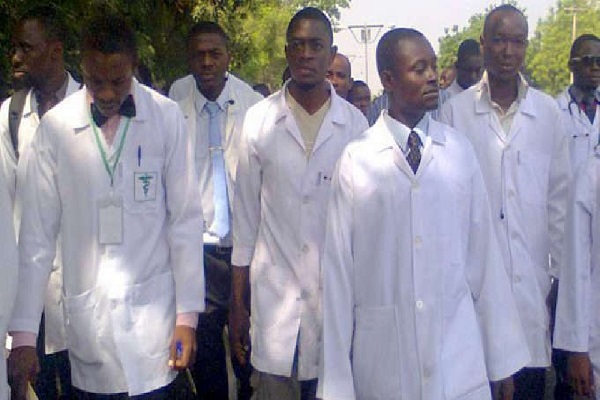
NARD declares members will launch total, comprehensive industrial action nationwide, effective 12:00 a.m. Tuesday, 7 April 2026, amid ongoing disputes.
Nigerian Association of Resident Doctors (NARD) plans nationwide strike. They cite federal government’s suspension of Professional Allowance Table (PAT) implementation as a key trigger.
NARD Slams Government Over Doctor Arrears
NARD highlights government’s failure to meet longstanding financial obligations to members.
The action aims to press for immediate resolution of these critical welfare issues.
The decision was disclosed in a communiqué issued at the end of a National Executive Council (NEC) meeting held virtually on Saturday, 4 April.
NARD Secretary-General Shuaibu Ibrahim signed the statement condemning government’s PAT decision.
They called it “unfortunate,” a major setback for resident doctors’ welfare improvements.
NARD Urges PAT Reversal to Stop Strike
The association urges swift reversal to avert strike. NARD emphasizes ongoing struggles highlight deeper issues in healthcare worker compensation and support nationwide.
NARD said its members would embark on a “total and comprehensive industrial action” beginning at 12:00 a.m. on Tuesday, 7 April 2026.
Demands
NARD demands immediate reversal of PAT discontinuation from April 2026.
They seek full payment of promotion, salary arrears for doctors in affected centres nationwide.
Doctors also press for prompt conclusion of 2026 Medical Residency Training Fund (MRTF) disbursement.
These steps address critical welfare gaps before the impending strike.
It also demanded the immediate payment of outstanding arrears of the professional allowance, which it said had accumulated over a period of 19 months.
The association urged its members to stand together in opposing the injustice and to ensure the matter is pursued to a proper conclusion.
Recurring dispute
The planned strike adds to a series of industrial actions that have disrupted Nigeria’s public health sector in recent years.
Last year, the association embarked on a nationwide strike that lasted 29 days before it was suspended following negotiations with the federal government.
Reports reveal patients suffer most during NARD strikes.
Public hospitals scale down services drastically, forcing postponement of surgeries and routine care nationwide.
Critical care disrupts as emergency units strain under reduced staff.
Vulnerable groups face heightened risks, underscoring urgent need for government-doctor dispute resolution.
