


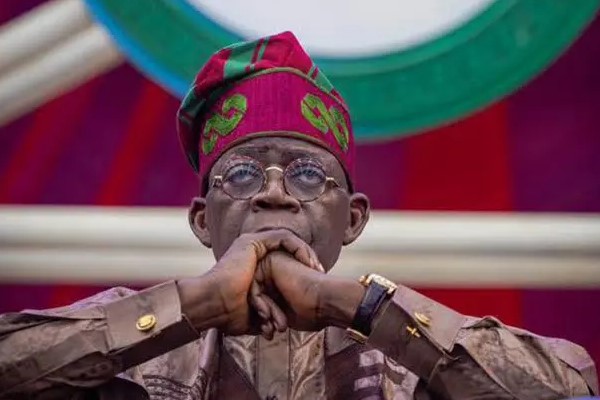
President Bola Tinubu has come under renewed criticism over the state of electricity supply in Nigeria, following reports that the Presidential Villa may be disconnected from the national grid to rely solely on solar power.
In a statement issued on Tuesday, former Anambra State governor and Labour Party presidential candidate Peter Obi described the development as a stark contrast to Tinubu’s campaign assurance.
Obi Slams President Over Grid Failure
Obi noted that 32 months after taking office, instead of “living by his powerful words,” the President “now dumps the National Grid that has been performing abysmally under his watch.”
The statement spotlights key 2025 budget provisions amid public debate.
Lawmakers allocated ₦10 billion specifically for solar power installation at Aso Rock Villa.
Reports confirm this funding targets sustainable energy upgrades for the presidential seat.
Transparency questions arise over execution timelines, costs, and actual environmental impact delivered.
2026 Budget Boosts Aso Rock Funds
Additionally, the 2026 budget includes another substantial allocation for Aso Rock.
Upgrades and maintenance get priority to ensure ongoing efficiency and modern facility standards.
It further noted that Nigerians were “being told that the Presidential Villa has planned to be disconnected from the national grid to rely entirely on solar.”
Obi Flags Governance Red Flags
According to Obi, this development raises red flags on core governance issues.
Leadership priorities appear misaligned with urgent national needs demanding swift action now.
He views it as a troubling signal of weak commitment overall. Strengthening vital infrastructure should top agendas, not lag amid escalating public expectations.
Obi urges deeper scrutiny to realign focus effectively.
True Leadership Boosts Nigeria’s Infrastructure Resilience
“It is a gross neglect and deeply worrisome when the seat of power abandons the national grid,” the statement read.
“One would expect government institutions to lead efforts to strengthen and expand the grid so that other establishments, and ultimately, citizens can benefit.”
“If those in authority disconnect themselves from the system, who then will connect the ordinary Nigerian to reliable power?”
Obi: Renewables Alone Ignore Core Issues
While acknowledging the importance of renewable energy, Obi maintained that the issue goes beyond environmental considerations.
“Promoting renewable energy, as solar systems do, is commendable and necessary for the future.
However, this situation reflects a deeper concern: governance lacking compassion and commitment to the governed.”
The statement also drew a moral comparison between leadership and the lived realities of citizens, asserting.
“You cannot tell the people to fast while feasting yourself, securing yourself while Nigerians remain unsecured.”
Obi: Nigerians Grasp Governance Challenges
However, he stressed that citizens deserve visible effort and transparency.
“Nigerians do not expect 100% fulfilment of promises, but they do expect 100% effort, accompanied by measurable improvements and clear explanations when gaps exist.
Leadership must serve the people, not isolate itself from their daily struggles.”
The statement wraps with a firm call to the Federal Government.
Prioritize Reforms to End Power Blackouts
Prioritize bold reforms that truly fortify Nigeria’s power sector against ongoing blackouts.
Focus on strengthening and expanding the national grid infrastructure nationwide. This demands strategic investments yielding reliable electricity for homes, businesses, and industries alike.
Avoid perceptions of elite detachment from real power struggles citizens face.
Deliver tangible solutions proving commitment to equitable, nationwide energy access urgently.
The Presidency had not responded to the statement as of the time of filing this report.
