



On a historic night at Brooklyn’s Kings Theatre, Nigerian Afrobeats sensation Asake shattered ceilings and stoked controversy as the first African artist ever to headline the US edition of Red Bull Symphonic in New York, November 8, 2025.
This extraordinary fusion of street-inspired Afrobeats with a 33-piece classical orchestra wasn’t just a concert, it was a bold cultural statement, electrifying yet divisive, capturing the hearts and sparking debates across social media.
A Moment for African Music History
Asake didn’t just perform; he broke historic ground.
His milestone headlining of Red Bull Symphonic put Nigerian music on an international stage usually reserved for Western icons.
The sold-out crowd at the Kings Theatre witnessed African sounds reimagined with sweeping orchestral grandeur, a mix rarely seen, and mostly unheard before.
His hits like “Lonely at the Top” and “Terminator” rose to new heights, blending fújì, Amapiano, and street-pop into a formidable fusion.
The Power of Collaboration
The night didn’t just center on Asake. Surprise guest stars such as Wizkid, Gunna, Central Cee, Tiakola, and Fridayy joined the fray.
Intensifying the spectacle and demonstrating Asake’s global industry ties.
Wizkid’s unexpected appearance to perform their hit “MMS” with the full orchestra ignited frenzy.
Their electrifying chemistry symbolized Afrobeat’s growing cross-cultural power.
Though it fueled discussions about the authentic versus commercial narratives in African music today.
Some fans lauded this as the new era of African export, while critics questioned if the orchestral and Western star integration diluted Afrobeats’ raw edge.
A New Sound for a New Era?
Asake previewed an unreleased track from his upcoming album Mr. Money, offering lyrics steeped in faith, perseverance, and hustle.
The symphonic version gave the song a gravitas that street beats alone rarely capture.
The iconic fusion raised eyebrows, was this a genius modernization of Afrobeat or a dangerous shift toward Western commodification of African music heritage?
Conducted by maestro Glenn Alexander II, the orchestra highlighted the challenge of blending innovation with respect.
Alexander said, “We didn’t want to create a cheap copy but something that honors the music’s spirit.”
Yet, purists debated whether orchestras belong in Afrobeat’s gritty vibrancy or if this was a subtle step toward sanitized global appeal.
Emotion and Controversy Mix on Social Media
Social platforms exploded with diverse reactions.
While praise flooded in for Asake’s groundbreaking artistry, critics voiced concerns about the “orchestral makeover.”
Some listeners tweeted that blending Afrobeats with classical music risked erasing authentic street narratives, branding the event elitist and detached from Afrobeat’s origins.
One user boldly posted, “Afrobeats isn’t meant for symphonies; it’s the music of the street.”
On the other hand, ardent supporters highlighted the significance.
This event proclaimed African culture’s diversity beyond stereotypes and economic limitations, breaking barriers long set by global music gatekeepers.
Behind the Curtain: Asake’s Vision
Asake, a theatre arts graduate, approached the challenge with reverence and vision.
He talked openly about his love for classical music during childhood and how blending it with his roots felt like a homage and a revolution.
Did blending genres signal growth and depth, or risk selling out?
He pledged to preserve street authenticity while embracing evolution, insisting Afrobeat’s spirit thrives symphonically and on Lagos streets.
The Global Stage Expands, but at What Cost?
This concert marks a landmark achievement for Afrobeat’s global reach.
Yet, it serves as a flashpoint in broader debates about cultural identity, commercialization, and artistic integrity. Is this new hybrid sound expanding
Africa’s artistic boundaries or encouraging global audiences to consume a repackaged, palatable version?
Red Bull Symphonic chose Asake, proving Afrobeats stand tall with global giants.
Yet raising concerns about what integration costs foundational artists and communities.
Critical voices on social media warned against forgetting Afrobeat’s grassroots origins while chasing international acclaim.
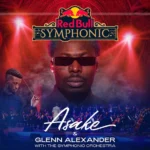


Asake’s Night, a Reflection of Sport and Struggle
His story embodies faith, perseverance, and the hard grind behind the glitz, resonating deeply with African youths striving for global recognition.
But this story also reminds us of the fine line artists tread between cultural pride and commercial expectations.
The night sparked celebration and controversy, echoing African diaspora’s tension, hope, ambition. It trended beyond music fans to cultural critics worldwide.
Engage and Join the Debate
Asake’s Red Bull Symphonic headline is undoubtedly a viral milestone that challenges norms and ignites polarized views.
What do you think? Is this the evolution Afrobeat needed or the beginning of its dilution?
Experience this historic fusion first-hand through shared clips and reactions.
African music and culture are changing fast, are we ready to embrace or defend our roots?

1 Comment
Pingback: Asake To Perform On Wizkid Wedding Exclusive - wahalaupdate