


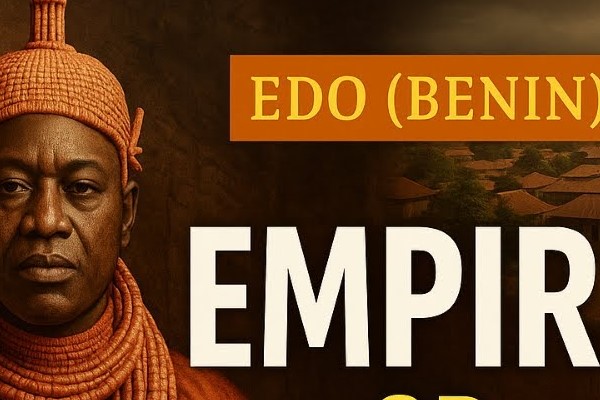
The Benin Empire, also known as the Benin Kingdom, remains one of West Africa’s most revered and controversial historic civilizations.
This empire’s story, spanning from pre-colonial greatness to post-colonial trauma, symbolizes both cultural pride and the scars of imperial looting.
Its legacy demands scrutiny and remembrance today.
The Pre-Colonial Majesty of Benin
Established around the 12th century, the Benin Empire stands as Africa’s oldest and most advanced.
Under Oba Ewuare the Great (1440–1473), it reached unprecedented heights.
He expanded borders and fortified Benin City with massive walls and moats, engineering marvels that once ranked as the world’s architectural wonders.
Artistry flourished.
The Benin craftsmen shaped exquisite cast bronze, carved ivory, and ornate brass works admired worldwide.
Vibrant textiles, beaded garments, and statement jewelry reflected a society rich in symbolism and spirit.
The city glowed at night from palm oil lamps, illuminating a civilization that was ahead of its time.
Trade partnerships with European powers, notably the Portuguese, fueled economic boom.
Salt, palm oil, pottery, and textiles thrived, cementing Benin’s status as a cultural and commercial titan in the 16th and 17th centuries.
This sophistication became a symbol of African ingenuity and independence.
The Colonial Invasion and Ruin
Everything changed in 1897, a British military campaign violently stormed Benin City.
The empire’s heart was shattered as soldiers sacked and looted its treasures.
Priceless artworks and cultural artifacts were ripped away and shipped to European museums, where many remain today.
The Oba was exiled, and British colonial powers imposed foreign rule.
Traditional governance, once a complex blend of spiritual and political authority, crumpled under colonial administration.
Benin’s social and economic structures were rewritten and undermined.
This violent conquest was not just a physical takeover but an assault on identity itself.
Colonialism severed a great civilization’s autonomy and scattered its legacy across continents.
The Enduring Legacy and Contested Treasures
Today, Benin’s prominent artifacts remain highly sought after, showcased in renowned museums such as the British Museum and the Metropolitan Museum of Art.
These treasures tell stories of masterful craftsmanship and ancient power but also prompt fierce debates over ownership and restitution.
Calls grow louder for European nations to return Benin artifacts to Nigeria.
Many view this cultural patrimony as stolen heritage, evidence of the brutality of colonial pillage.
Controversies and Criticisms
The story of Benin Empire is not merely historical but deeply political and emotional.
Critics argue that colonialism obliterated an advanced African society, replacing it with a legacy of exploitation and stolen wealth.
The failure to repatriate artifacts humbles Nigeria’s sovereignty and disrespects the Benin people’s heritage.
Meanwhile, global museums defend their collections as educational tools, citing legal and preservation concerns.
However, this position increasingly faces backlash from activists and scholars demanding justice for formerly colonized nations.
Personalizing Benin’s Story for Our Time
How does Benin’s turbulent saga resonate today?
The kingdom’s brilliance reminds us of Africa’s rich civilizations before foreign domination.
The violent disruption and artifact plundering speak to centuries of injustice that continue to affect post-colonial Africa.
The restoration of Benin’s legacy is essential for healing.
Acknowledging these wounds and fighting for rightful restitution restores pride and supports cultural renaissance.
It challenges narratives that diminish African history and fosters a reckoning with colonial abuses.
Engage with WahalaUpdate: Your Voice On Benin’s Fate
Should European museums return Benin artifacts?
What role does Nigeria’s government play in safeguarding this heritage?
Share your thoughts and join heated debates.
Let’s expose the truth and amplify the call for justice together.
