


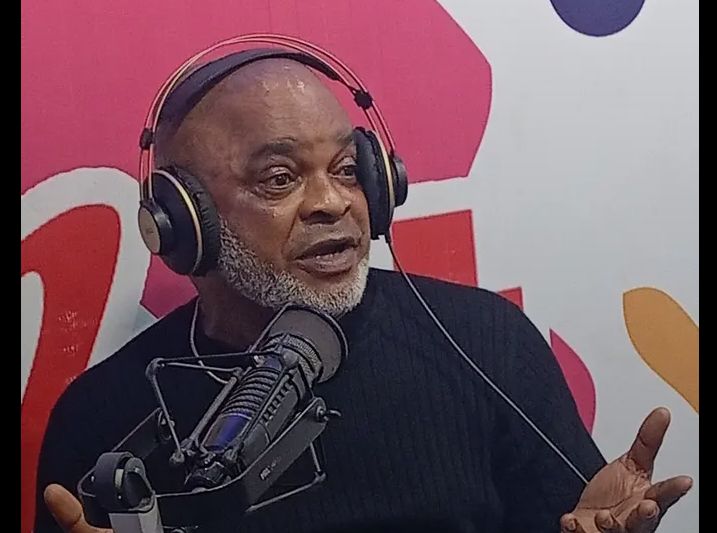
Former spokesperson of the House of Representatives in Nigeria, Rt. Hon. Eseme Eyiboh, has mounted a strong defence of President Bola Tinubu’s economic reforms.
He particularly described the removal of fuel subsidy as a bold and necessary move that has freed resources for all levels of government.
Speaking during a media chat monitored by our Correspondent in Uyo on Monday, Eyiboh argued that the subsidy regime primarily benefited the wealthy at the expense of ordinary Nigerians.
“Fuel subsidy was essentially subsidising the rich. Removing it has freed up resources for government at all levels,” he said.
While acknowledging the short-term inconveniences faced by Nigerians, Eyiboh urged patience.
He insisted that the long-term benefits of the administration’s reform agenda would soon become evident.
“Some reforms may appear intangible in the short term, but their long-term benefits will become evident. We urge Nigerians to be patient,” he added.
Eyiboh, currently serving as Senior Special Assistant to the Senate President on Media, also praised the amendments to the Electoral Act, describing them as transformative for Nigeria’s democracy.
He said the law has strengthened internal party democracy and reduced opportunistic defections that previously triggered endless election litigations.
“The Electoral Act amendment is still a game changer. Today, you must go through direct primaries and test your popularity with the people. It is no longer business as usual where you jump from one party to another to secure tickets,” he said.
According to him, the reforms have shifted power back to the electorate, compelling aspirants to engage voters directly and justify their ambitions.
The chietain of the All Progressives Congress (APC) also discountenanced criticisms of the 10th Senate as a rubber stamp
citing specific instances where the National Assembly asserted its independence from the executive.
“When ministerial nominees were presented, three were rejected. When there was a proposal to deploy troops to Niger, the Senate advised diplomacy instead. That is not a rubber stamp,” he argued.
He noted that the Senate’s insistence on diplomatic engagement helped prevent escalation of insecurity.
He added that the Senate has enjoyed repeated votes of confidence from colleagues, describing it as a reflection of stability and internal cohesion.
