


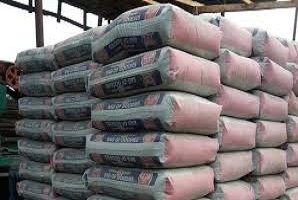
Cement prices across Nigeria surged dramatically, igniting fury among builders, developers, and everyday Nigerians struggling to afford basic construction materials, June 19, 2025.
According to the cost of a 50kg bag of cement skyrocketed to ₦10,500 an 8.25% jump from ₦9,700 just a month earlier marking the steepest increase recorded in 2025 so far.
This sudden price hike is being blamed primarily on soaring transportation costs.
With dealers lamenting that rising fuel prices and poor road conditions have made cement distribution a costly nightmare.
Cement manufacturers have also cited escalating production expenses, including energy and spare parts mostly paid for in dollars, as key drivers behind the price surge.
Yet, this explanation has done little to quell public outrage, as many Nigerians accuse cement companies of exploiting the market and government policies to inflate prices at will.
The price range for cement now varies widely across the country.
From a low of ₦8,400 to a staggering ₦11,500 per bag, with urban centers like Lagos and Rivers State bearing the brunt of the highest costs.
Major brands such as Dangote, BUA, and Lafarge have retail prices ranging roughly from ₦6,500 to ₦8,500.
But wholesale prices remain volatile and often inaccessible to small-scale builders.
The impact of this price hike is far-reaching. Construction costs are expected to soar, putting homeownership further out of reach for many Nigerians.
The housing deficit, already a chronic problem, will worsen as building materials become prohibitively expensive.
Small contractors and DIY homebuilders face the harshest consequences, squeezed by rising input costs and dwindling profit margins.
David Umahi, Nigeria’s Minister of Works, publicly condemned the price escalation, describing it as detrimental to national infrastructure projects.
He called on cement manufacturers to lower prices, especially given the recent stabilization of the foreign exchange rate.
Umahi’s statement was scathing:
“Let me use the opportunity to express dissatisfaction with the cost of cement.
Our contractors have called and complained that they wanted to move back to asphalt.
We are using this medium to tell the cement manufacturers that, at the time the dollar was almost N2,000; they increased cement from N7,500.
Why should today, when the President has brought the dollar to stability at about N1,400 and it is still going down, cement be selling for N9,500?”
His call for accountability highlights a glaring contradiction:
While the government claims to have stabilized the economy.
Cement prices continue to climb unchecked, suggesting profiteering and lack of regulatory enforcement.
In response to the crisis, the federal government announced plans to build affordable.
Climate-smart houses using bamboo, targeting low- and middle-income earners.
This initiative aims to reduce dependence on expensive conventional materials like cement and provide eco-friendly housing alternatives.
While innovative, critics argue this is a band-aid solution that does not address the root causes of soaring cement prices or the monopolistic practices of cement giants.
Industry insiders reveal that in 2024 alone, the top three cement producers spent ₦3.64 trillion on production
72% more than in 2023 due to rising costs of energy, spare parts, and raw materials.
However, this massive expenditure has not translated into price relief for consumers.
Instead, cement companies have been accused of colluding to keep prices artificially high.
Exploiting Nigeria’s infrastructure challenges to maximize profits.
The controversy intensifies as Nigeria’s cement prices remain significantly higher than international standards, fueling public frustration and debate.
At ₦10,000 per bag, Nigeria’s cement costs about $120 per ton.
Some experts say Nigeria’s cement prices stay high despite the country’s strong local production capacity and government incentives.
This raises uncomfortable questions about transparency and fairness in the cement supply chain.
Social media and public discourse have erupted with accusations that cement manufacturers prioritize profits over national development, worsening Nigeria’s housing crisis and economic inequality.
Many Nigerians feel betrayed by both the government and private sector for failing to protect consumers from exploitative pricing.
While rising transportation and production costs partly explain the increase.
The unchecked profiteering by cement companies and inadequate government regulation have made cement unaffordable for millions.
Minister Umahi’s ultimatum to manufacturers underscores the urgency of the crisis, but whether concrete action will follow remains uncertain.
For Nigerians hoping to build or renovate homes, the cement price surge is more than an inconvenience it is a barrier to progress and a stark reminder of systemic failures in protecting citizens’ welfare.
Without decisive reforms, the dream of affordable housing will continue to slip further away as cement prices keep climbing.
